
Shop Notes · Maintenance & Trouble Signs
All rust is not equal. Some of it is cosmetic and cheap to manage; some of it is the visible edge of structural failure years in the making. Knowing which kind you're looking at — and where to look before it shows — is one of the most valuable skills a bus owner or used-bus shopper can have.
Surface rust on visible steel — bumper brackets, mirror arms, exposed fasteners. Ugly, harmless, treatable with a wire brush and paint. Not a decision-driver.
The beltline and panel seams. Brown lines or bubbling along horizontal body seams mean water is inside the joint working outward — what you see is the tail of a process, not the start. On multi-panel bodies this is the classic aging pattern, and it accelerates once begun: the opened seam admits more water, which feeds more rust, which opens more seam.
Skirts and lower panels. The body's splash zone — road spray, salt slush, stone hits. Bolted skirt panels rust at their fastener lines and panel edges; welded skirt structures resist longer. Lower-body rust is common and repairable, but it's also the visible proxy for what the hidden lower structure is experiencing.
Step wells and door frames. High-traffic, high-moisture, salt tracked in daily by boots. Rust here matters more than its size suggests — the entry area is structural (it carries every boarding), and repairs involve the door frame's geometry.
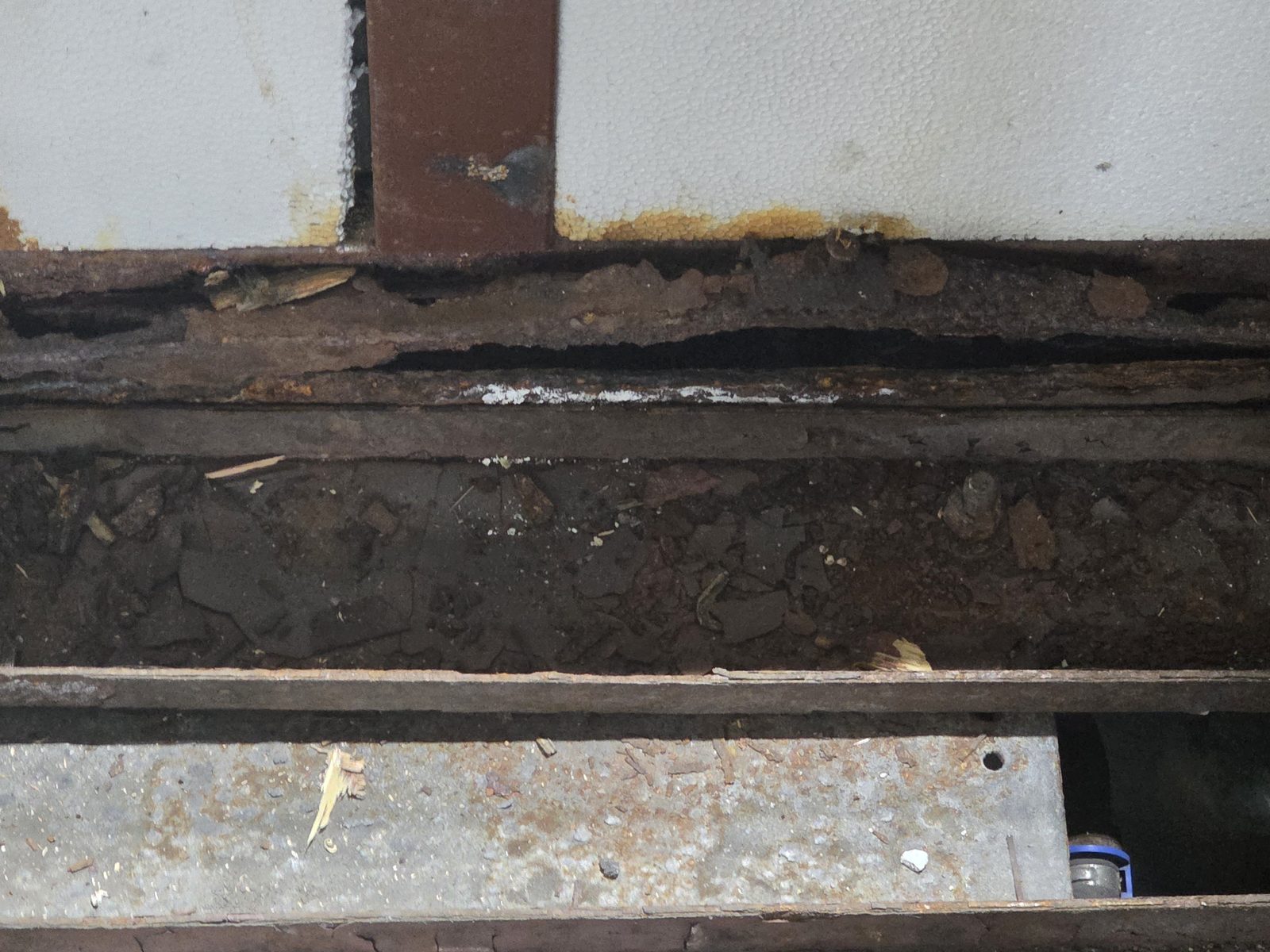
Underneath: crossmembers, outriggers, floor structure. This is the rust that matters most and gets seen least. Get under the bus (or send a phone camera) twice a year: scale, flaking, or deep pitting on floor crossmembers is the beginning of the only conversation that ends buses. Surface discoloration on protected steel is normal aging; layered flake you can pick with a screwdriver is not.
The cage, where visible. Wall structure showing rust at accessible points (compartment interiors, panel edges) implies the same steel doing the same thing inside sealed walls, where nobody will ever repaint it.
Same routes, same winters, five years apart in corrosion — the difference is construction, set on build day:
None of this is visible on a new bus, all of it is visible on a five-year-old one — which is why walking an aged example of any model you're considering beats any brochure.
The honest thresholds:
For salt-state owners, the management program is unglamorous and effective: underbody rinses through winter, prompt attention to every leak and seam failure, drains kept clear, and the twice-yearly look underneath. You can't change what the builder did before the walls closed — but you decide how many extra years the bus gets from there. And when you shop the replacement, you now know exactly where to point the flashlight.
Surface rust on exposed hardware, yes. Seam-line rust, step-well rust, and any flaking on floor structure are progressive problems worth immediate attention.
Early localized corrosion, yes — by shops experienced with body structure. Advanced scale on crossmembers or cage members has no economical repair; prevention and early detection are the only real tools.
From underneath: probe crossmembers and outriggers, check step wells, look for bubbling along body seams, and treat any visible cage rust as a sample of what's hidden in the walls.